

How to Prepare to Buy a House
We’ve all been there: scrolling through beautiful home listings late at night, daydreaming about a kitchen island or a backyard for the dog, and thinking, “I’ll own a home someday.” It’s easy to feel like being able to buy a home is always just out of reach.

Written for Zillow by May Ortega, Edited by Silvestri Properties
Your “someday” can start today. Preparing to buy a home isn’t just about the day you get the keys; it’s about the small, confident steps you take right now, like organizing your credit and your budget early on.
If you’re preparing to buy a home and don’t know where to start, this guide is broken out into individual, approachable tasks that you can take on one at a time.
Here is your roadmap to getting home:
Review your credit score
Your credit score is like your financial handshake; it tells lenders who you are. It’s the biggest factor in the interest rate you’ll get, which directly affects how much your monthly payment will be.
You can obtain your credit report for free. Give it a look. If the number isn’t quite where you want it to be, don’t worry. Now is the perfect time to improve your credit. Focus on making on-time payments for credit cards and loans, and avoid any shiny new high-balance loans while you’re in your prepping-to-buy zone.
Here are some of the things that factor into your credit score:
- Payment history
- Total debt
- Length of credit history
- New credit
- Type of credit
Prepare your finances
Lenders love to see stability, like consistent income and a low debt-to-income (DTI) ratio. To tidy up your finances, follow these steps:
- Keep things steady: Try to avoid switching jobs or moving to a commission-only role right before applying for a home loan.
- Watch your credit use: Keep those credit card balances low.
- Create a “hidden” fund: Start saving for more than just the home’s down payment. Closing costs are usually 2% to 5% of the price (and celebratory pizza also needs a budget)! There are ways you can shrink your closing costs, like negotiating with the seller and applying for first-time buyer assistance programs.
Gather information and advice
It’s perfectly fine to dream a little when thinking of what you want for your house. High ceilings, hardwood floors, a slide going from one floor to the other (it is dreaming, after all). But you’ll also want to figure out your non-negotiables, like a home office or proximity to coffee shops. It’s never too early to build your “must-have” list.
Choose a real estate agent
Your real estate agent is your home-buying pro and your primary advocate. Connect with a local expert. Don’t be afraid to ask a lot of questions to help decide if an agent is a good fit.
A good agent should:
- Keep you informed about homes for sale in neighborhoods where you might want to live.
- Assist you with making an offer for a home you like.
- Help you with any issues that may come up during your transaction.
Pro tip: It’s up to you which you choose first: your real estate agent or your loan officer. Just know it’s a good idea to shop around for both.
Choose a mortgage loan officer
You don’t need to have a dozen documents and a pen in hand to talk to a loan officer. Think of this as an initial “get to know you” chat to help you choose the right lender. They can explain the technicals around getting your home purchase funded — without you needing to commit to a credit check just yet.
A loan officer can:
- Educate you about the loan application and approval process.
- Explain the down payment requirements for different loan programs.
- Update you on interest rate trends and how your payment may be affected.
- Help you figure out how much you can spend on buying a home.
- Give estimates of your closing costs.
Review your finances with your loan officer
Once you’ve picked a loan officer, have them do a deep dive into your finances. It’s better to find out you’re in great standing (or need a tiny bit more prep) now rather than when you’re mid-offer.
Get pre-qualified for a loan
A mortgage pre-qualification is basically your rough draft for a loan. Pre-qualification is a quick estimate of how much the bank will lend you, based on what you tell them about your income and debt. It’s a great way to see what price range you’re actually in. Note that this is not an official pre-approved mortgage.
What does pre-qualification entail? In most states, pre-qualification is based on your own submission of your income and assets, your estimated down payment, desired loan amount, and possibly a credit check, depending on the lender.
Identify funds for your down payment
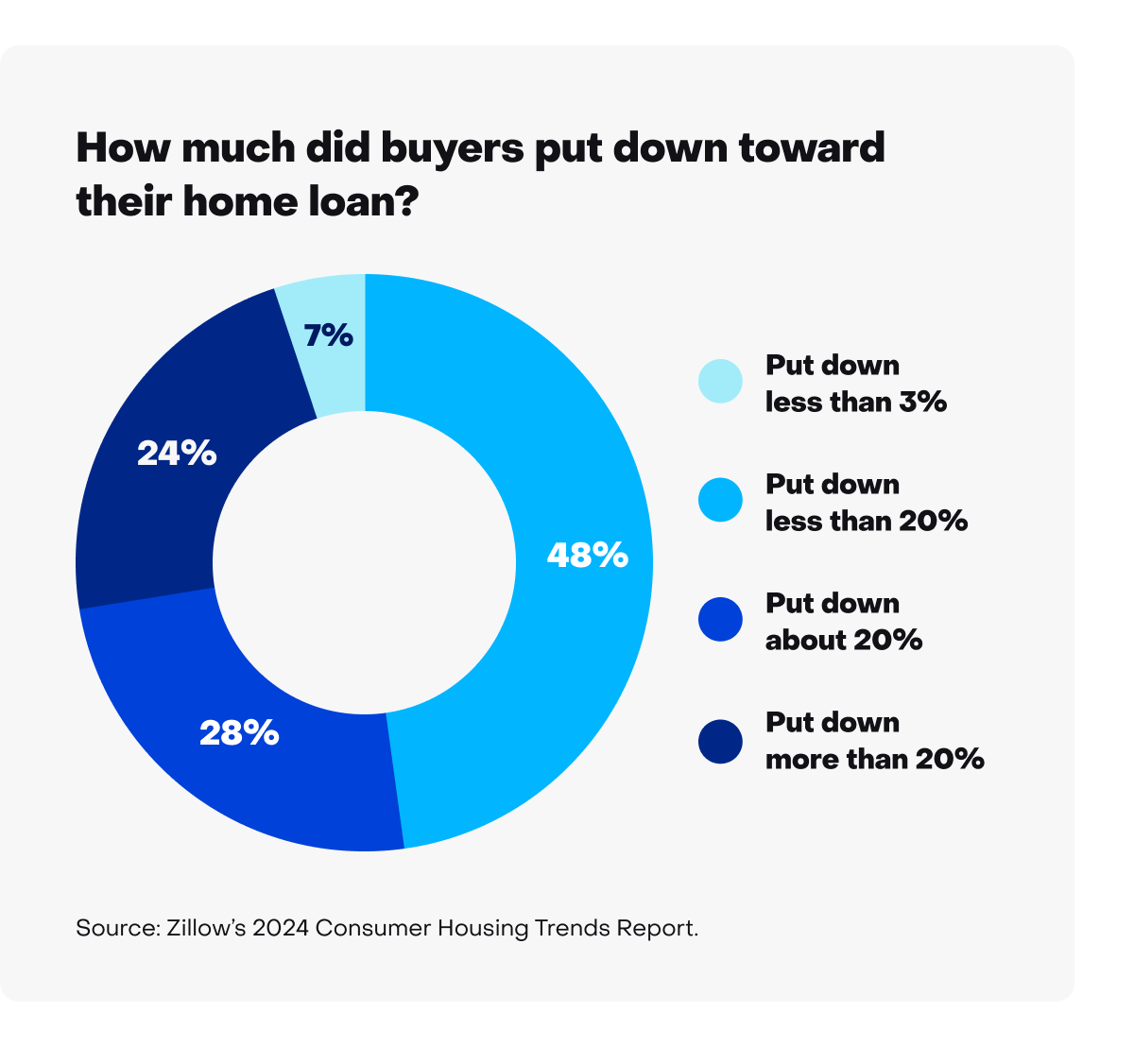
Needing a 20% down payment on a house is a myth (though doing so can help you avoid paying private mortgage insurance). Lots of first-time home buyers get into homes with as little as 3% down. Whether you save up money, use a financial gift from family, or sell some stock, identify where your down payment money is coming from early. If saving up for a down payment is challenging, check if you qualify for down payment assistance.
Get pre-approved for a loan
Pre-approval is the real deal. This is where the lender verifies your income and assets. In today’s market, most agents won’t even show you a home without a pre-approval letter — it tells sellers you’re serious about buying.
This is what you’ll need to get pre-approved for a loan:
- Two recent W-2s
- Two recent pay stubs
- Two months’ recent bank statements
- Proof that you have your down payment funds (in some cases)
A loan officer may ask self-employed borrowers to share their income tax returns.
Once you’re approved, the lender will send you a letter as proof.
Pro tip: If you’re planning to buy a home within the next 90 days, you should get pre-approved sooner than later. Most pre-approvals are valid for 90 days. Just know you can renew your pre-approval to restart this clock if needed.
It’s time to make your “someday” start today
Now you’re ready to begin your home-buying journey.
By taking these steps, you’re not just preparing — you’re already on your way home. Someday is much closer than you think.